
PRK Surgery
A LASIK Alternative at Cool Springs Surgical Associates:
Flapless Vision Correction for Thin Corneas & Active Lifestyles
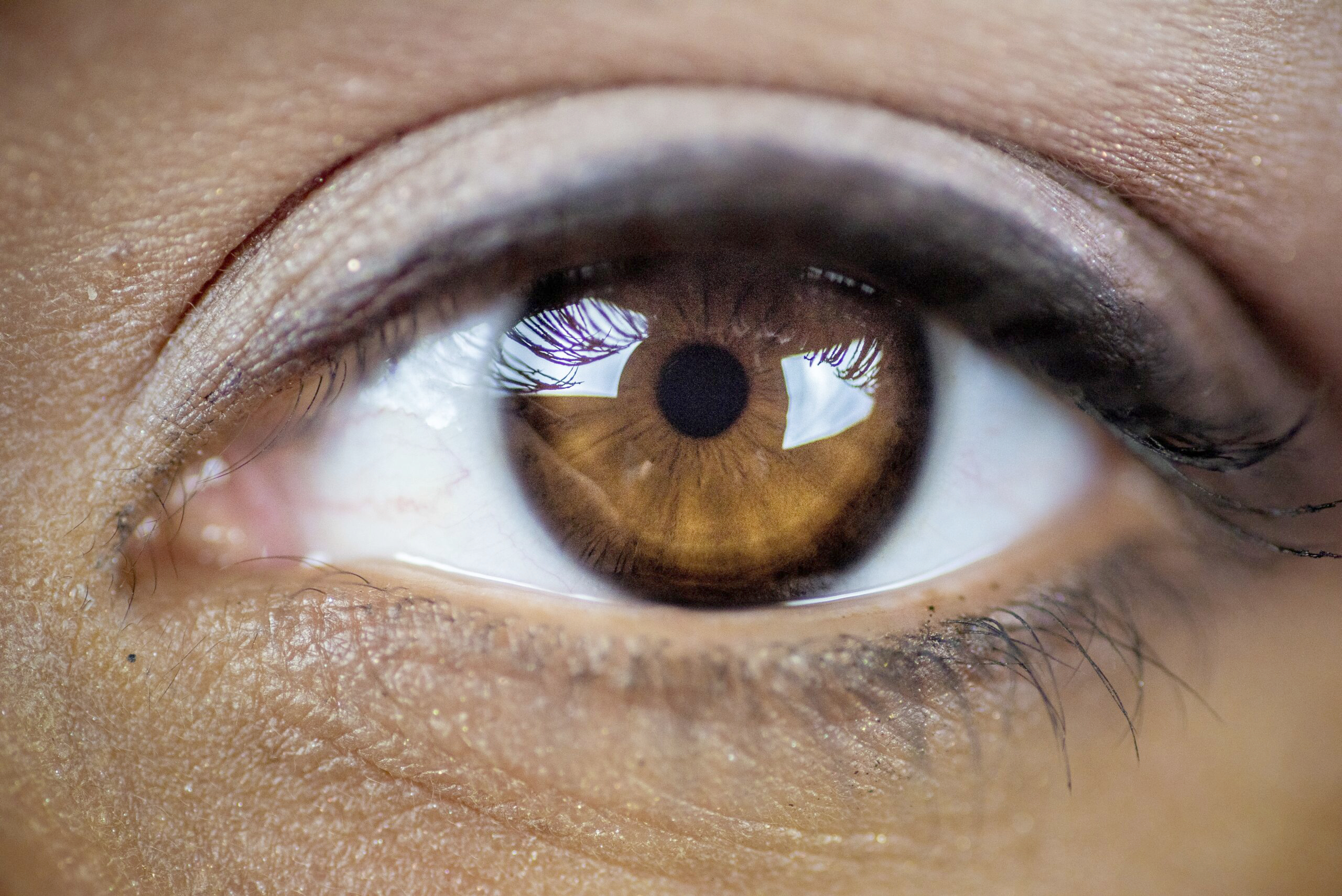
What is PRK?
Photorefractive keratectomy (PRK) is a proven laser vision correction procedure that reshapes the cornea without creating a flap, improving how light enters the eye. Also known as Advanced Surface Ablation (ASA), this laser eye surgery remains a trusted LASIK alternative for patients who may not qualify for flap-based procedures.
It can correct nearsightedness, farsightedness, and astigmatism using the same advanced excimer laser technology as LASIK, delivering results comparable to LASIK.
How PRK Eye Surgery Works
PRK corrects vision by reshaping the cornea. The surgery is straightforward and takes about 5 to 15 minutes per eye. Here’s what you can expect during your PRK procedure:
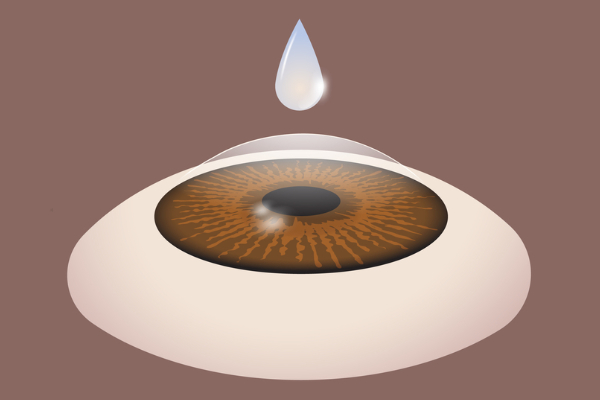
Numbing Eye Drops
Applied to ensure your eyes remain comfortable. You may feel mild pressure but no sharp pain.
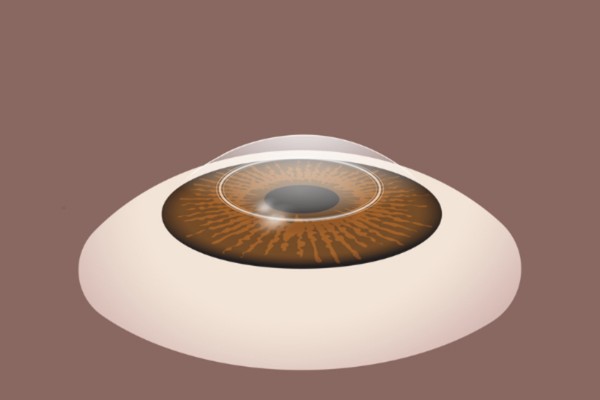
Removing The Outer Corneal Layer
The epithelium is gently removed to allow access to the underlying tissue.
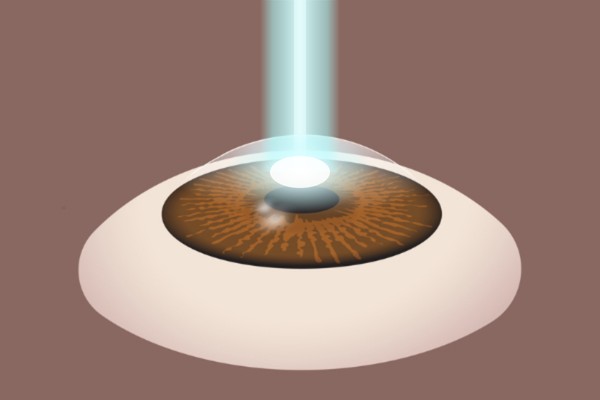
Reshaping the Cornea
The excimer laser precisely reshapes the cornea based on your prescription in just a few seconds.
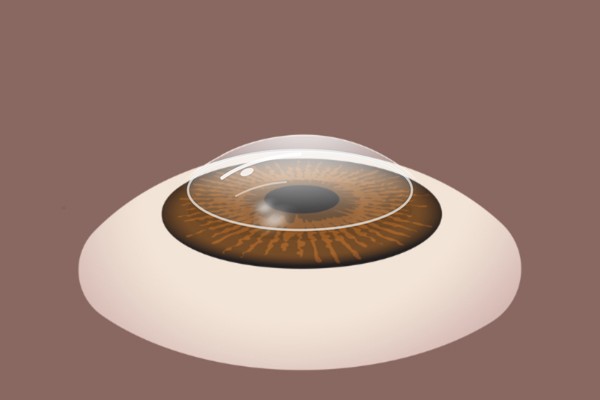
Protective Contact Lens Placement
A soft, temporary contact lens is placed over the eye to aid healing while the epithelium regenerates.

Eye Conditions PRK Can Correct
- Astigmatism: Blurred or distorted vision caused by an irregularly shaped cornea.
- Nearsightedness (myopia): Difficulty seeing objects far away.
- Farsightedness (hyperopia): Difficulty seeing objects up close.
Benefits of PRK
Because PRK doesn’t involve creating a corneal flap, it eliminates the risk of flap-related complications.
This makes it a superior option for:
- Patients with thin corneas.
- Individuals with active lifestyles or high-risk occupations (athletes, first responders, military).
- Patients at risk of eye trauma.

PRK vs. LASIK Eye Surgery
Both PRK and LASIK use the same excimer laser technology and deliver similar long-term outcomes. The key differences between the procedures are:
Technique
- LASIK uses a flap
- PRK removes the surface layer.
Recovery Time
- LASIK recovery is faster (24 hours).
- PRK requires more patience, with the surface layer healing in 3–5 days and full stability taking ~3 months.

Am I A Candidate For PRK?
You may be eligible for PRK if you:
- Are at least 18 years old.
- Have a stable prescription for at least one year.
- Have thin or irregularly shaped corneas.
- Are not pregnant or breastfeeding.
- Have healthy eyes without active diseases.
Why Choose Cool Springs Surgical Associates for Your PRK Procedure?
At Cool Springs Surgical Associates, we prioritize precision and personalized recommendations.
Experienced Surgeon
Dr. Jeremy Hatcher is a board-certified eye surgeon with advanced training in refractive surgeries, including LASIK and PRK.
Advanced Technology
Your PRK procedure is performed using the Alcon EX500 Excimer Laser, a highly advanced technology that’s also used for our LASIK procedures.
Accredited Facilities
All surgeries take place at our AAAHC-accredited in-house surgical centers for safety and consistency.
We take an honest, patient-first approach. If PRK is the better option for your eyes than LASIK, we’ll explain why. Our goal is to recommend the right procedure to achieve the best possible outcome.

Frequently Asked Questions
The procedure is painless due to numbing drops. However, the first 48–72 hours of recovery are typically uncomfortable as the epithelium regrows.
Yes, PRK provides long-lasting vision correction, though natural age-related changes like presbyopia can still occur.
Initial healing takes 3–5 days. Full clarity typically develops over 1–3 months.